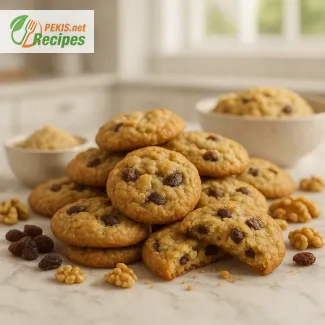
Soft bakery-style chocolate chip cookies deliver warm, nostalgic comfort with their thick, chewy centers and golden crisp edges. Rich butter, brown sugar and melting chocolate create a velvety bite that feels straight from a cozy bakery counter. Inspired by classic American cookie traditions, this recipe blends simplicity with indulgence in every soft, chocolate-studded piece.
A small trick that always helps with soft, thick cookies is chilling the dough — it deepens flavor and keeps the centers beautifully chewy. Whenever working with brown sugar and butter, a brief rest makes the texture even more luxurious and bakery-style.
Learn more about the creator behind this recipe at PEKIS.
PEKIS – professional chef and recipe developer with more than 25 years of experience in cooking and baking, specializing in European and international cuisine.
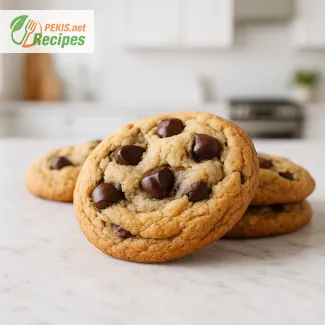
Bakery-style cookie bliss with melted chocolate in every bite
Thick, soft and irresistibly chewy comfort cookies
Warm cookie dough releasing ribbons of slowly melting chocolate creates the kind of moment that feels both nostalgic and indulgent. The edges stay delicately crisp while the center remains soft, thick and chewy, bending slightly before breaking—almost like the cookies you’d pick from a bakery counter still warm from the tray. That first bite carries a mix of buttery sweetness, toasted vanilla notes and the rich depth of brown sugar, giving the cookie its signature caramel-warm aroma. The texture is plush and tender, shaped by just enough structure to keep the cookie tall while still providing the melt-in-the-mouth softness people return to again and again.
The story of chocolate chip cookies began in the 1930s with accidental inspiration, but bakery-style versions evolved later, aiming for heightened richness and a thicker, more dramatic profile. Over time, bakers discovered how brown sugar deepens moisture, how the butter-to-flour ratio affects spread, and how resting the dough enhances chewiness. Today, these cookies remain a timeless symbol of comfort, especially when the dough is generously studded with chocolate and baked just long enough to set the edges while keeping the middle molten.
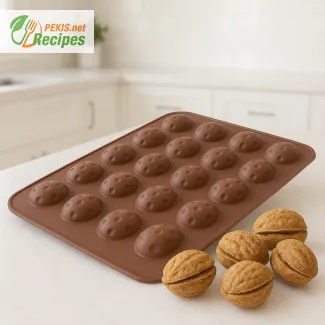
Many readers who enjoy thick and soft cookies also explore related treats, such as the crispy walnut shell cookies with creamy chocolate filling recipe, a popular choice for those who love contrast between crisp shells and smooth fillings. Others look for texture-rich options like the soft and chewy oatmeal raisin cookies or creative desserts such as Pastry Boats – shortcrust pastry shells with creams. For a balancing savory shift that keeps content diverse, a broader audience often clicks on the Grilled Ribeye Steak – juicy summer BBQ recipe, helping enrich internal linking variety.
Ingredient influence and texture
Butter provides a smooth, velvety backbone, helping the dough stay tender and rich. Brown sugar draws moisture into the center, reinforcing the cookie’s chewy core, while white sugar gives the edges their delicate crispness. Flour adds body and allows the dough to hold its thick, bakery-style shape. Eggs add structure and bind everything into a cohesive dough that stays soft as it cools. Chocolate chips melt into pools and streaks that intensify the overall flavor. A moderate baking temperature sets the edges without drying the center, creating the signature contrast.
Storage and make-ahead
The dough benefits from resting, as time helps moisture distribute evenly and enhances chewiness. Chilled dough can be stored for two days, and shaped dough balls freeze perfectly—ideal for baking small batches on demand. Baked cookies stay soft in an airtight container, especially when kept with a small piece of parchment or bread to maintain humidity. Their sturdy structure helps them remain fresh longer than thinner cookies.
Ingredient characteristics
Brown sugar features molasses richness essential for maintaining a soft and chewy profile. Butter ensures smooth spread and flavor depth. Flour contributes to the iconic thickness that bakery-style cookies are known for. Eggs create elasticity and ensure the center remains tender after baking. Chocolate chips add both sweetness and creamy contrast. Salt sharpens flavors and balances sweetness. Vanilla complements the caramel-warm undertones and enhances the overall aroma.
Cookie composition and sensory experience
Soft bakery-style cookies highlight contrast: the exterior set into gentle crispness, the middle staying warm, thick and yielding. The chocolate melts into velvety pools that intensify flavor and visually signal indulgence. Biting into them creates a layered experience—first the slight resistance at the edge, then the plush interior that feels almost molten.
Why you’ll love this recipe
- Thick and soft texture that stays tender after cooling
- Chewy center supported by balanced sugar ratios
- Bakery-style height without complex techniques
- Melted chocolate pockets in every bite
- User-friendly method using everyday ingredients
- Perfect dough for freezing and baking in small batches
Creative variations
- Add toasted nuts for a contrasting crunch.
- Fold in dark chocolate chunks for intense molten pockets.
- Introduce espresso powder to deepen chocolate flavor.
- Swirl in caramel or peanut butter for layered sweetness.
- Mix mini and regular chips for even chocolate distribution.
Ingredient behavior and dough dynamics
These cookies rely on the interplay of moisture-retaining sugars, structural flour, rich butterfat and balanced leavening. Each component affects height, chewiness, spread, color and aroma. A brief dough rest enhances gluten relaxation and flavor complexity. Baking sheet material and temperature influence browning and edge texture. This combination of small details creates the signature soft, thick and chewy experience admired in bakery-style cookies.
- Allow the butter to soften at room temperature until creamy.
- Mix the softened butter with brown sugar and white sugar until smooth and slightly fluffy.
- Add the egg and vanilla extract, mixing until fully combined.
- In a separate bowl, combine flour, cornstarch, baking soda and salt.
- Add the dry ingredients to the wet mixture and fold gently until a soft dough forms.
- Fold in the chocolate chips, distributing them evenly throughout the dough.
- Chill the dough for 30 minutes to enhance thickness and chewiness.
- Preheat the oven to 180 °C (356 °F).
- Shape the dough into 12 equal balls and place them on a baking tray lined with parchment paper, leaving space for spreading.
- Bake for 10–12 minutes, until the edges are lightly golden while the center remains soft.
- Allow the cookies to cool on the tray for 10 minutes before transferring them to a rack.
FAQ questionWhy do bakery-style cookies stay thicker than regular cookies?
Bakery-style cookies rely on a higher ratio of brown sugar to butter, plus a slightly lower moisture spread during baking. Chilling the dough firms the fat, which slows melting in the oven and helps the cookies maintain height and thickness. Flour and cornstarch also strengthen the dough structure, giving the cookies their signature soft, tall and chewy texture.
FAQ questionHow do I make my cookies chewier instead of cakey?
Chewiness comes from brown sugar, which retains moisture, and from stopping the bake while the center is still soft. Over-mixing or adding too much flour introduces excess air, which results in a cakey texture. Keeping the dough slightly dense and baking just until the edges set ensures a moist, bendable center.
FAQ questionWhy do my cookies spread too much in the oven?
Excess spreading is usually caused by warm dough or too much butter. Chilling the dough helps control spread, while measuring ingredients accurately ensures the right balance of moisture. A batch that spreads too thin loses the intended thick, bakery-style shape, so letting the dough rest is key.
FAQ questionCan I freeze the dough for later baking?
Yes — freezing actually improves flavor development. Roll the dough into balls before freezing, then bake directly from frozen. The lower starting temperature slows spreading and enhances the chewy center with crisp edges. This method is ideal for baking a few warm cookies at any time.
FAQ questionWhy do some recipes add cornstarch?
Cornstarch softens the protein structure of the flour, giving cookies a more velvety and tender interior. It limits gluten development slightly, resulting in cookies that feel plush rather than dense. It is especially useful for bakery-style cookies where softness and chew are the goal.
FAQ questionHow do I achieve melted chocolate pockets instead of dry chips?
Using high-quality chocolate chips or chopped chocolate with a higher cocoa butter content helps create melting pools instead of firm pieces. Folding them in gently prevents breaking, and baking at a moderate temperature allows the chocolate to soften slowly, giving each cookie rich, gooey chocolate streaks.
FAQ questionShould I rest the dough overnight for better flavor?
Resting the dough overnight deepens the caramel notes from brown sugar and enhances texture. The moisture redistributes evenly, making the cookie dough smoother and more cohesive. The result is a cookie with richer flavor and a more consistent soft-chewy bite.
Soft bakery-style chocolate chip cookies bring together everything people love about comforting homemade treats — a thick, tender center, gently crisp edges and ribbons of slow-melting chocolate. Each cookie captures a balance of richness and simplicity, making it easy to understand why this style remains a timeless favorite.
The combination of butter, brown sugar and vanilla creates a warm, fragrant base that sets the tone for the entire batch. When the dough rests, those flavors deepen, giving every bite a more pronounced caramel-like sweetness and a naturally chewy texture. This small step transforms ordinary cookies into something more indulgent.
Baking them just until the edges set preserves the softness inside, while the chocolate melts into smooth pockets that make every bite feel generous and comforting. The method stays approachable, yet the results feel like something crafted with intention and care.
Sharing these cookies often creates the same reaction: a moment of quiet appreciation before the next bite. The familiar aroma, the soft-chewy structure and the warm chocolate all work together to create an experience that feels both nostalgic and satisfying.
Allergens present in the recipe:
- Gluten: present in wheat flour
- Eggs: present as a binding ingredient
- Milk: present in butter and chocolate chips
- Soy: possible traces in chocolate chips
How to remove allergens (substitution tips):
- Replace wheat flour with gluten-free flour blends to remove gluten.
- Replace butter with plant-based margarine to remove milk.
- Replace chocolate chips with certified soy-free chocolate to avoid soy.
- Replace egg with 60 g applesauce or flaxseed mixture to avoid eggs.
- Vitamin A (µg): 95 – supports normal vision
- Calcium (mg): 28 – contributes to bone maintenance
- Iron (mg): 1.2 – supports oxygen transport
- Potassium (mg): 120 – helps maintain normal muscle function
- Magnesium (mg): 12 – contributes to energy balance
- Phosphorus (mg): 40 – supports bone structure
- Polyphenols (mg): 45 – contribute to cellular protection
- Flavonoids (mg): 18 – support antioxidant activity
- Catechins (mg): 6 – help reduce oxidative stress
- Procyanidins (mg): 10 – promote vascular health
Recipes worth trying