Warm and gently tangy, Traditional Staffordshire Oatcakes bring the comfort of northern England straight to the pan. Made from oats, wheat flour, milk, and yeast, they cook into soft, flexible rounds with a lightly crisp edge and a tender, savory center. Once a working-day staple in Staffordshire, these oatcakes were meant to be folded, rolled, and enjoyed hot—simple, honest food with deep grain flavor and a texture that invites filling and sharing.

Staffordshire Oatcakes: A Savory British Classic Worth Rediscovering
Rustic oat pancakes with depth, warmth, and everyday versatility
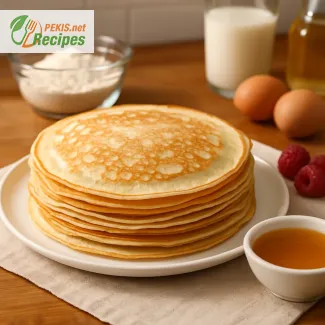
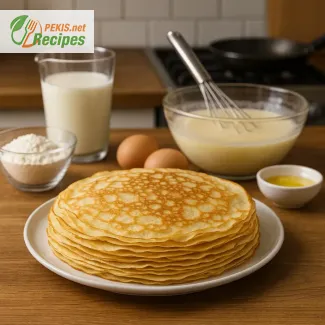
Warm, toasty oat aroma rises from the pan, followed by a soft hiss as batter meets heat. The surface sets gently while the inside stays supple, elastic, and comforting, made to be folded rather than stacked. Staffordshire oatcakes sit somewhere between pancake and flatbread, with a deep cereal character, faint tang, and a texture that welcomes both hearty and delicate fillings. They feel grounded and honest—food that belongs to cool mornings, iron skillets, and kitchens where flavor is built patiently.
Born in Staffordshire, these savory oat pancakes reflect an industrial and agricultural past where oats were practical, sustaining, and full of character. Traditionally cooked on a griddle, they were everyday fare—rolled around cheese, bacon, mushrooms, or simply butter—meant to nourish rather than impress. Yet that restraint is exactly what makes them compelling today: simple structure, complex flavor, and a format that adapts effortlessly to modern kitchens.
Texture, flavor, and why oats matter
Oats bring more than earthiness. They lend a gentle chew, absorb moisture gracefully, and create a pancake that bends without cracking. When fermented or rested, the batter develops a subtle tang that sharpens savory toppings and balances richness. Flour plays a supporting role, giving just enough structure, while liquid—often milk or water—controls tenderness and spread. Fat rounds the edges; salt defines the grain.
A short note on history and everyday use
Staffordshire oatcakes were once cooked on bakestones and sold hot from street stalls. Their portability and neutrality made them ideal for working days. Today, that same neutrality becomes a canvas: breakfast wraps, light lunches, or an alternative to tortillas and crêpes.
Why you’ll love this recipe
- Savory-first profile that pairs with countless fillings
- Flexible format: roll, fold, or layer
- Comforting texture with a lightly crisp surface
- Everyday ingredients elevated by technique
- Naturally satisfying without heaviness
Storage and make-ahead
Oatcakes keep their charm beyond the pan. Cooked oatcakes can be cooled, stacked with parchment, and refrigerated for several days. They reheat quickly in a dry skillet, returning to soft, pliable warmth without drying. Batter benefits from resting; a longer rest deepens flavor and improves spread, making advance prep practical.
Creative variations to explore
- Add fresh herbs for a green, aromatic note
- Introduce finely grated vegetables for moisture and color
- Swap liquids to adjust richness and tang
- Finish with cultured butter or a sharp cheese for contrast
A broader culinary context
Staffordshire oatcakes sit comfortably among other traditional, grain-forward dishes that celebrate restraint and technique. If you enjoy recipes that preserve culinary heritage, you may also like Forgotten Grandma Recipes: 12 Traditional Dishes We’re Losing and Should Save, where humble classics reclaim their place at the table.
Their appeal also echoes a broader truth about cooking: simplicity sharpens flavor. The balance of grain, heat, and timing proves why Why simple dishes often taste better than complex recipes remains a timeless principle in savory cooking.
For those curious about cousins across borders, there’s a clear line of influence toward thin European pancakes. A different tradition, but a shared technique, appears in the Authentic French Crêpe Recipe – Easy and Delicious—lighter, sweeter, yet equally reliant on pan control and batter rest.
How this fits modern kitchens
Staffordshire oatcakes answer today’s desire for adaptable, savory breakfasts and quick, filling meals. They align with flexible eating habits, reward good ingredients, and invite creativity without demanding complexity. Grain-forward, pan-cooked, and endlessly useful, they feel both rooted and current—exactly the kind of dish that earns a regular place in rotation.
- In a large mixing bowl combine the oat flour, plain wheat flour, salt, and dry yeast, mixing evenly so the yeast is well distributed.
- Gradually pour in the lukewarm milk, whisking continuously until a smooth, pourable batter forms. The texture should be thicker than crêpe batter but still fluid.
- Add the melted butter and whisk again until fully incorporated.
- Cover the bowl and let the batter rest at room temperature for 45 minutes, allowing light fermentation to develop flavor and elasticity.
- Heat a non-stick pan or cast-iron skillet over medium heat (about 180 °C / 355 °F). Lightly grease with a small amount of vegetable oil.
- Pour a ladle of batter into the pan and gently swirl to form a thin round about 18 cm (7 inch) in diameter.
- Cook for 2–3 minutes until bubbles appear and the underside is lightly golden. Flip carefully and cook for another 1–2 minutes.
- Transfer to a plate and cover lightly to keep warm. Repeat with the remaining batter.
- Serve warm, folded or rolled, ready to be filled with savory accompaniments.
A small tip that makes a big difference: let the batter rest properly. The most common mistake with oatcakes is rushing this step, which leads to flat flavor and fragile texture. Giving the yeast time to work creates gentle tang, better structure, and that soft, bendable finish Staffordshire oatcakes are known for. This method works because it respects the grain and the pace it needs.
Created by PEKIS – a professional chef and recipe developer with over 25 years of experience in cooking and baking, focused on European and international cuisine, with a strong respect for traditional methods adapted to modern home kitchens.
FAQ questionWhat are Staffordshire oatcakes?
Staffordshire oatcakes are savory oat pancakes from northern England, traditionally cooked on a hot griddle and served warm, often folded or rolled. They sit between a thin pancake and a soft flatbread: flexible enough to wrap fillings, yet sturdy enough to hold moisture and heat. Their signature character comes from oats and a lightly fermented batter, which gives a gentle tang and a tender, bendable texture rather than a sweet breakfast-pancake crumb.
FAQ questionAre Staffordshire oatcakes the same as Scottish oatcakes?
No—Scottish oatcakes are usually dry, crisp oat biscuits meant for cheese boards, soups, or snacks. Staffordshire oatcakes are soft, pan-cooked rounds, closer to a crêpe or tortilla in how you use them. The confusion comes from the shared name and oats, but the eating experience is completely different: one is crunchy and baked, the other is soft, warm, and foldable.
FAQ questionWhy does the batter need to rest?
Resting lets the yeast create subtle fermentation, improving both taste and handling. Without enough rest, oatcakes can taste flat and may tear when flipped or rolled. With proper rest, the batter develops better elasticity, a more even spread in the pan, and that classic light tang that makes savory fillings taste brighter. The rest also helps oats hydrate, so the finished oatcakes feel tender instead of grainy.
FAQ questionHow thin should Staffordshire oatcakes be?
Aim for thin enough to bend easily but not so thin that they become lacey. A good target is a round that cooks through in a few minutes and can be lifted without breaking, typically around 18 cm (7 inch) across with a visibly smooth surface. If the batter is too thick, you get heavy, bready cakes; if it’s too thin, they can turn fragile. The sweet spot is pourable batter that spreads with a gentle swirl.
FAQ questionHow do you stop oatcakes from sticking to the pan?
Use a well-heated non-stick or seasoned cast-iron pan and apply a light film of oil rather than a puddle. Sticking usually happens when the pan is too cool or the batter is flipped too early. Wait until the surface shows bubbles and the edges look set; then the oatcake releases more naturally. If it still sticks, raise the heat slightly and keep oiling lightly between rounds.
FAQ questionCan you make Staffordshire oatcakes ahead of time?
Yes. Cooked oatcakes store well stacked with parchment and chilled for a few days. Reheat in a dry skillet to restore warmth and flexibility; they become soft and pliable again within a minute or two. Batter can also be mixed ahead and rested in the fridge, which often deepens the savory, fermented note—just bring it closer to room temperature before cooking for the most even results.
FAQ questionWhat fillings work best with Staffordshire oatcakes?
They shine with savory fillings that balance their oat flavor: cheese melts beautifully into the warm surface, and cooked meats or mushrooms match the toasty grain profile. They also work with lighter options like eggs or greens because the oatcake provides structure without overpowering. The key is choosing fillings that complement a subtly tangy base and keeping everything warm so the oatcake stays foldable.
Staffordshire oatcakes bring together grain-driven flavor, gentle fermentation, and a texture designed for folding, not cutting. Their character comes from oats that stay present without heaviness, creating a soft structure that carries savory fillings while remaining light on the palate. This balance makes them adaptable across meals and seasons.
What defines them most is the rested batter and controlled pan heat. Those two elements shape elasticity, surface color, and the subtle tang that sets these oatcakes apart from sweet pancakes or flatbreads. When handled with patience, the result is consistently flexible and satisfying.
Their role in everyday cooking is practical and enduring. Staffordshire oatcakes fit naturally into modern kitchens because they reheat well, pair easily with different ingredients, and keep their integrity when rolled or folded. That reliability is what turns a traditional dish into a repeatable favorite.
At their core, these oatcakes reflect simple technique applied with care. Respect for time, grain, and heat allows straightforward ingredients to express depth, making Staffordshire oatcakes a quietly confident staple with lasting appeal.
Allergens present in the recipe
- Gluten: Present due to wheat flour
- Milk: Present from milk and butter
Allergen and gluten substitution tips
- Gluten: Replace wheat flour with certified gluten-free oat flour and a gluten-free all-purpose blend
- Milk: Use unsweetened oat milk or soy milk and plant-based margarine instead of butter
- Vitamin B1 (mg): 0.28 – supports energy metabolism and nervous system function
- Vitamin B2 (mg): 0.22 – contributes to normal energy production
- Calcium (mg): 140 – essential for bone and teeth health
- Iron (mg): 2.1 – supports oxygen transport in the blood
- Magnesium (mg): 55 – important for muscle and nerve function
- Avenanthramides (mg): 18 – oat-specific antioxidants supporting cardiovascular health
- Phenolic acids (mg): 42 – help protect cells from oxidative stress
Calculators
Recipes worth trying