A Christmas Cake filled with soaked fruit, warm spices, citrus zest, butter, and brown sugar delivers a nostalgic burst of festive aroma the moment it’s sliced. Its dense, tender crumb carries a rich old-world charm, echoing traditions where spiced winter cakes symbolized celebration and warmth. Each bite feels like a soft, fragrant memory wrapped in holiday sweetness.
A small tip that makes a big difference: letting the fruit soak long enough gives this Christmas Cake its deep aroma and that beautifully tender crumb everyone remembers. It’s a simple step, but it transforms the entire bake into something warmer, richer, and truly festive — especially when the spices settle and the flavors have time to bloom.
Author: PEKIS – a professional chef and recipe developer with more than 25 years of experience in cooking and baking, specializing in European and international cuisine.
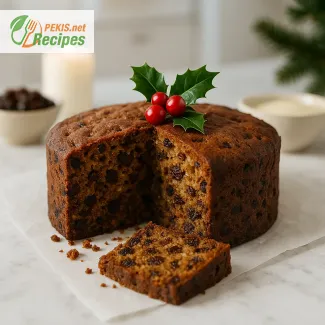
A warmly spiced holiday fruit cake filled with rich aromas and festive charm
A sensory journey into the deep, nostalgic flavors of an old-world Christmas classic
The moment the dense, moist crumb of a Christmas Cake releases its warm cloud of spices, the atmosphere changes. There is something deeply emotional in the way the slow-baked fruit, dark caramel notes, and buttery richness rise together, almost like a memory warming from within. Every slice carries the comfort of gatherings, ribbons of sweetness woven through dried fruit, and the gentle heat of nutmeg and ginger that lingers on the palate. The texture leans into a luxurious density—soft yet structured, tender enough to melt slightly under the fork, with bursts of candied fruit offering gentle chewiness. It’s a festive ritual wrapped in flavor, the kind of cake that fills a room long before it’s served.
Across generations, Christmas Cake has been a centerpiece of winter celebrations, shaped by centuries of tradition. Its roots stretch into old European methods of preserving fruit with sugar and alcohol, later evolving into a celebratory centerpiece enriched with spices introduced through early trade routes. Over time, families across the world adapted it to local tastes: richer versions with dark molasses, classic British-inspired fruit-packed loaves, and lighter Mediterranean interpretations. Today, the recipe remains a symbol of festivity, togetherness, and the unmistakable charm of winter baking.
How the key ingredients elevate the cake
Dried fruit provides the cake’s signature depth by absorbing moisture and flavor during a long soak, creating juicy pockets in every slice. Butter introduces a silky richness, blending with brown sugar to give that caramel-like warmth. Spices like cinnamon, nutmeg, ginger, and cloves infuse the batter with aromatic intensity, reinforcing the cake’s comforting character. A small amount of citrus zest brightens the mixture, cutting through the richness and balancing sweetness with a subtle sparkle. Alcohol or warm juice binds everything with an aged, rounded finish that matures beautifully over time.
Origins and cultural background
Christmas Cake traces its lineage back to medieval plum porridge, which eventually evolved into a dense fruit-laden bake enjoyed during festive celebrations. Over centuries, the combination of preserved fruit, warming spices, and slow baking became a sign of abundance and hospitality. Regional variations—from Caribbean rum cakes to British fruit cakes—reflect cultural interpretations of celebration. Modern recipes draw from this heritage while embracing new combinations of spices, nuts, and finishing touches.
Storage and make-ahead guidance
This cake thrives when prepared in advance. Its structure and ingredients make it perfect for long storage, allowing flavors to deepen over several days or even weeks. Wrapped tightly and kept in a cool place, it remains tender and aromatic. The flavors become especially round and mellow when soaked or brushed periodically with a small amount of warm liquid, allowing the crumb to stay sumptuously moist.
Festive flavor inspirations
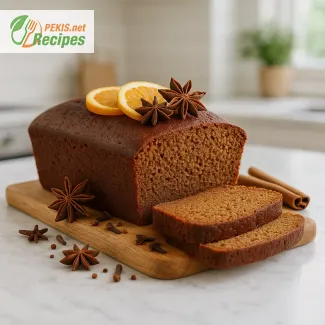
Holiday baking connects beautifully with other warm seasonal treats. For those who enjoy old-world spice cakes, there is also a rich, warmly aromatic version such as the English-language recipe for Traditional French Christmas pain d’épices with festive spices, which celebrates similar deep spice notes in a lighter texture.
Another delightful companion for winter breakfasts is the comforting batch of Homemade Cinnamon Rolls for Christmas Breakfast, offering a softer, fluffy alternative to fruit cake.
Why you’ll love this recipe
- Brings classic festive flavors to your table
- Features deeply aromatic spices for a warming experience
- Delivers a rich, moist crumb that improves as it rests
- Ideal for gifting or sharing during gatherings
- Adaptable to different dried fruits and finishing touches
- Suitable for making ahead without losing freshness
Creative variations
- Add a swirl of orange-infused syrup for a citrus-forward twist.
- Incorporate toasted nuts for added crunch and warmth.
- Use dried cherries or cranberries to create a brighter, fruitier profile.
- Brush the surface with spiced tea instead of alcohol for a gentler flavor.
- Garnish with candied citrus slices for an elegant festive finish.
Ingredient and flavor profiles
The combination of soaked fruit, warm spices, golden sugar, and rich butter creates a cake that represents the heart of holiday baking. Each component plays a precise role: fruit adds sweetness and chew; spices create complexity; fats provide tenderness; and citrus introduces a refreshing lift. Together they form a cake that is both comforting and sumptuous, suited to celebrations and long winter evenings.
Additional helpful notes
- Works beautifully as a centerpiece dessert.
- Gains flavor over time, making it perfect for early preparation.
- Pairs naturally with warm beverages and creamy sauces.
Festive entities and culinary context
Christmas cakes belong to a family of winter bakes that highlight seasonal spices, preserved fruit, candied citrus, brown sugar, molasses, and warming aromas associated with December celebrations. These elements commonly appear in traditional European festive baked goods and create a recognizable holiday profile across cultures.
- Preheat the oven to 150 °C (302 °F). Line a round baking tin (22 cm / 8.6 inch) with parchment paper and lightly grease the sides.
- Combine dried mixed fruit with orange juice and dark rum. Warm gently in a saucepan until just heated, then set aside to soak and cool.
- Beat softened butter with brown sugar until creamy and light. Add eggs one at a time, mixing until fully incorporated.
- In a separate bowl, whisk flour, baking powder, salt, cinnamon, nutmeg, ginger, and cloves until evenly blended.
- Fold the dry mixture into the butter mixture, mixing just until smooth and thick.
- Add soaked fruit with all remaining liquid, then fold in orange zest, lemon zest, chopped walnuts, chopped almonds, and vanilla extract.
- Pour the batter into the prepared tin and smooth the top.
- Bake for 120 minutes until the cake is firm, deep golden, and springs back gently under light pressure.
- Cool in the tin for 20 minutes, then transfer to a wire rack. Wrap tightly once fully cooled to keep the crumb moist and aromatic.
- Rest the cake at least 24 hours before slicing to allow the flavors to mature.
FAQ questionHow long should I soak the fruit for a rich Christmas Cake?
For the best depth of flavor, the fruit should be soaked long enough to become plump, glossy, and fragrant. A minimum of 4–6 hours works, but an overnight soak gives a noticeably richer result. If time allows, soaking for 24 hours in a cool place lets the dried fruit fully absorb the orange juice and rum, creating juicy pockets that keep the crumb moist. Stir the mixture a few times while soaking so all pieces hydrate evenly and no fruit dries out on top.
FAQ questionWhy is my Christmas Cake dry instead of moist and tender?
A dry cake usually comes from overbaking, using too hot an oven, or not enough liquid in the batter. This style of Christmas Cake needs a low temperature and long bake, so 150 °C (302 °F) is ideal. If the oven runs hot, the outside sets too fast while the inside dries. Use an oven thermometer if possible and start checking doneness toward the end of the baking time. Ensuring the fruit is properly soaked and not skipping the butter and brown sugar creaming step also helps achieve a rich, tender crumb instead of a crumbly, dry texture.
FAQ questionCan I make this Christmas Cake in advance and how should I store it?
Yes, this cake actually becomes better with time. Once completely cooled, wrap it tightly in baking paper and then foil or store it in an airtight container at room temperature in a cool, dry place. Over the next few days the spices mellow and the flavors deepen, and the texture becomes more luxurious and uniform. For extra moisture and aroma, you can brush the cake occasionally with a little warm juice or rum. Properly wrapped, it keeps well for at least one to two weeks.
FAQ questionHow can I prevent the dried fruit from sinking to the bottom of the cake?
To keep the fruit evenly distributed, make sure it is well-drained, lightly dried on the surface, and coated in flour before folding it into the batter. If fruit goes in too wet, it becomes heavy and sinks. Tossing it in a spoonful of the measured flour creates a thin coating that helps it cling to the batter. Also, don’t overmix once the fruit is added; gentle folding maintains a thick, supportive batter that holds everything in place while baking.
FAQ questionCan I make this Christmas Cake without alcohol?
Absolutely. You can replace the rum with extra orange juice, apple juice, or spiced tea. The key is to keep the same overall liquid quantity so the fruit still plumps up and the crumb stays moist. While alcohol helps with flavor depth and preservation, using a flavorful non-alcoholic liquid still creates a fragrant, festive cake. For more complexity, use a combination of citrus juice and strong spiced tea, which mimics some of the warmth alcohol would bring.
FAQ questionWhat can I serve with Christmas Cake to enhance its flavor?
This cake pairs beautifully with sauces and sides that highlight its warm spices and rich fruit. A spoonful of silky vanilla sauce or custard, a dollop of lightly sweetened whipped cream, or a small scoop of plain or vanilla ice cream softens the dense crumb and creates a hot-cold contrast. A slice also works well with strong black tea, espresso, or mulled wine, which echo the cake’s spice profile and make each bite feel even more indulgent.
FAQ questionHow do I adapt the recipe for nut-free or gluten-free guests?
For a nut-free version, simply omit the almonds and walnuts and replace them with extra dried fruit or seeds if appropriate. To make the cake gluten-free, use a high-quality gluten-free flour blend designed for baking and keep the same measurements. Make sure all ingredients, including baking powder and flavorings, are certified gluten-free. These adjustments maintain the moist texture and festive taste while making the cake safer for guests with specific dietary needs.
A well-made Christmas Cake brings together soaked fruit, warm spices, brown sugar, and butter in a way that feels both nostalgic and timeless. Each step in the process—from soaking the fruit to slowly baking at a gentle temperature—builds layers of deep flavor and moist, tender texture that stay with you long after the last slice is gone. It becomes more than a dessert; it turns into a small ritual that marks the heart of the festive season.
The beauty of this kind of cake lies in how easily it adapts to different households and traditions. Some prefer more citrus brightness, others lean into darker caramel and molasses notes, while many add their own mix of nuts or dried fruit. With a few simple adjustments, the same base can work for nut-free or gluten-free variations, which makes it easier to share at large gatherings where everyone has different needs. The end result still tastes unmistakably like a classic holiday centerpiece.
Preparing it ahead of time has its own quiet charm. Allowing the crumb to rest and mature turns the cake into something even more rounded and aromatic, making each slice feel richer and more balanced. Wrapped well and stored correctly, it stands ready whenever guests arrive, pairing effortlessly with custard, vanilla sauce, whipped cream, tea, or coffee. A single cake can stretch across multiple occasions, from quiet evenings to lively celebrations.
In many homes, the scent of a slowly baking Christmas Cake becomes part of the season’s memory. The combination of spice, fruit, butter, and citrus creates a comforting atmosphere that signals warmth, hospitality, and shared time at the table. Returning to this bake year after year builds a personal tradition—one that connects familiar flavors with new stories, new guests, and new festive moments.
Allergens present in the recipe:
- Eggs: present
- Milk (butter): present
- Tree nuts (almonds, walnuts): present
- Gluten (flour): present
How to remove allergens and gluten:
- Replace butter with plant-based margarine to avoid milk allergens.
- Use certified gluten-free flour to eliminate gluten.
- Substitute almonds and walnuts with dried fruit for a nut-free version.
- Use egg replacer or apple purée to remove eggs.
- Vitamin A (µg): 68 – supports vision
- Vitamin C (mg): 4 – contributes to immune function
- Calcium (mg): 52 – essential for bones
- Iron (mg): 1.7 – supports oxygen transport
- Potassium (mg): 312 – contributes to fluid balance
- Magnesium (mg): 28 – supports muscle function
- Polyphenols (mg): 85 – support cellular protection
- Flavonoids (mg): 22 – beneficial for heart health
- Carotenoids (mg): 0.4 – contribute to antioxidant defense
Recipes worth trying