A festive New Year’s Eve buffet menu comes alive with a blend of creamy dips, crispy bites, tender shredded chicken, and bright touches like fresh herbs and pomegranate seeds. Inspired by communal European feasts, the textures shift from velvety to crunchy, creating a warm, celebratory spread that guests return to throughout the night.
Balancing cold and warm dishes on a buffet table always comes down to texture and timing—adding the orzo just slightly cooled keeps everything light, not soggy. A touch of dill and lemon lifts the richness beautifully. PEKIS – professional chef and recipe developer with over 25 years of experience in cooking and baking, specializing in European and international cuisine.
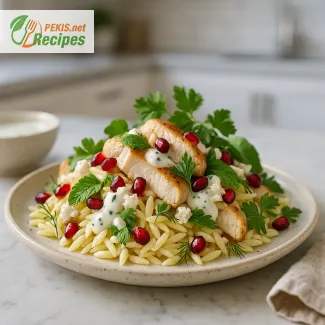
Festive Make‑Ahead Party Dishes for a Memorable New Year’s Eve
Creative, crowd‑pleasing buffet combinations for a relaxed celebration
The first bite on New Year’s Eve always feels like a small promise of what the night will bring. A platter of silky, herb‑coated meats, bowls of crispy golden bites, or a spoon sinking into a creamy layered dip can instantly set the mood. The textures alone — crunchy, velvety, meltingly tender, juicy with a light sparkle of acidity — create that festive rhythm every great buffet needs. Aromas of roasted spices, citrus zest and slow‑cooked sauces build a warm anticipation, weaving a story of comfort and celebration. Each dish on a New Year’s Eve buffet becomes part of a shared experience: something to reach for, return to and talk about as the countdown approaches.
Across Europe and beyond, buffet gatherings evolved from simple communal tables to elaborate spreads where small plates, dips, warm trays and fresh salads balance indulgence with practicality. Modern hosts lean toward make‑ahead dishes, vibrant color contrasts and easily refillable bowls. The idea is simple: create abundance without stress. Finger foods, elegant small portions and warm‑cold combinations ensure guests can roam, chat and enjoy without interruptions. A well‑designed New Year’s Eve buffet blends texture, heat, freshness and richness, offering something comforting yet exciting.
How ingredients shape the atmosphere
Creamy elements lend a comforting base, crispy components add energy, citrus or herb accents keep everything bright, while roasted or caramelized foods anchor the table with depth. A buffet thrives on balance: something creamy, something crunchy, something refreshing, something hearty. The synergy of contrasting textures turns an ordinary spread into a memorable experience.
Warm trays with spiced meats or pasta dishes invite guests back for seconds. Fresh salads with pickled vegetables add brightness. Small savory pastries offer buttery crispness, while savory dips with toasted bread deliver richness without heaviness.
A brief look at origins
Buffet‑style dining traces back to Scandinavian smörgåsbord traditions, later embraced by French service and modern hospitality. Over the decades, the format has become inseparable from New Year’s Eve celebrations, where long evenings call for generous, refillable dishes and impressive yet practical presentations.
Storage and make‑ahead considerations
Many New Year’s dishes benefit from preparing the main components a day in advance. Sauces become more flavorful overnight, pastries can be pre‑shaped and chilled, dips develop depth, and chilled desserts set perfectly. Keeping crisp items separate until serving helps retain texture. Room‑temperature dishes also work well, reducing last‑minute reheating.
Flavour‑driven elements and serving ideas
Offering variety ensures visual appeal and smooth guest flow. Small bowls of spicy condiments, fresh herbs, citrus wedges or roasted nuts create layering options. Warm dishes hold best in insulated trays, while fresh salads stay crisp in chilled bowls. Colorful plating — greens, deep reds, golden browns — anchors the festive mood.
A great complement to this theme includes elegant handheld desserts, such as layered sweets served in small jars, perfect for make‑ahead menus and visually striking on a buffet table. You can explore a dedicated set of ideas here:
Delicious Desserts in a Jar for Parties and Easy Make‑Ahead Treats
Entity‑focused insights for a successful New Year’s buffet
- Protein‑based mains: roasted meats, marinated chicken, slow‑cooked options, seafood bites
- Vegetable dishes: grilled vegetables, fresh salads, pickled accents, creamy sides
- Carbohydrate bases: mini pastas, rice‑shaped grains, bread assortments
- Dips & spreads: creamy dips, herb spreads, savory pâtés
- Party desserts: mousse cups, layered fruit creams, pastry bites
Why this menu style works so well
- Easy to prepare portions in advance
- Naturally suited for large groups
- Guests can build plates to their liking
- Warm and cold dishes complement each other
- Offers textural and flavor variety
- Creates a visually rich, festive table
- Reduces stress during hosting
- Encourages relaxed movement and conversation
Creative variations for different styles of celebrations
- Mediterranean twist: roasted vegetables, lemon‑herb chicken, olive‑based spreads
- Nordic‑inspired buffet: cured fish, rye crackers, pickled accents, creamy dill dips
- Comfort‑food focus: mini casseroles, warm potato dishes, rich gravies
- Modern fusion table: global sauces, spicy condiments, herb oils
- Elegant minimalist buffet: monochrome platters, delicate toppings, refined sauces
Make‑ahead flexibility
Buffets shine when components hold well: creamy elements set overnight, roasted meats keep moisture when rested properly, and sauces often improve in flavor. Using airtight containers preserves freshness, while separating crunchy toppings ensures they stay crisp until serving.
- Cook the orzo pasta in salted water according to package instructions until al dente, then rinse with cold water and set aside.
- In a large mixing bowl, combine sour cream, cream cheese, mayonnaise, Dijon mustard, and lemon juice. Mix until smooth and creamy.
- Add minced garlic, salt, pepper, and paprika to the dressing and stir to blend all flavors.
- Fold in the shredded cooked chicken and cooled orzo pasta.
- Mix in finely sliced spring onions and chopped dill. Stir gently to combine all components evenly.
- Transfer the salad to a large serving dish or individual buffet cups.
- Garnish with fresh parsley and pomegranate seeds.
- Drizzle lightly with olive oil before serving.
FAQ questionWhat are the best make-ahead dishes for a New Year’s Eve buffet?
The best make-ahead dishes are those that hold their texture and flavor overnight, such as cold pasta salads, roasted meat trays, layered dips, and creamy spreads. These can be prepared the day before and assembled just before serving, saving time and stress. Cold dishes like orzo chicken salad or savory mousse in jars are perfect for effortless entertaining.
FAQ questionHow do you keep buffet dishes from drying out?
To prevent drying out, cover warm dishes with foil or keep them in warming trays with lids. Cold dishes should be stored in airtight containers until serving. Adding a light drizzle of olive oil before serving can refresh and revive textures, especially in pasta or grain-based dishes.
FAQ questionWhat protein options are best for buffets?
Shredded chicken, roast beef slices, and smoked salmon are all excellent buffet proteins. They can be served cold or warm, easily portioned, and work well with sauces or spreads. Marinated chicken breast, like in the featured orzo dish, stays tender and absorbs flavors overnight.
FAQ questionHow do I balance flavors in a buffet menu?
Balance is achieved by combining creamy, crunchy, fresh, and roasted elements. Include a variety of herbs, acidic notes like lemon or pickles, and a range of textures. Aim for dishes that offer contrast—like a rich chicken orzo paired with something citrusy or lightly bitter, such as radicchio salad or pickled onions.
FAQ questionWhat desserts are best suited for buffets?
Buffet desserts should be individually portioned, easy to serve, and visually appealing. Examples include mini tarts, chocolate mousse cups, and desserts in jars. These hold well, are easy to prepare ahead of time, and add a touch of elegance to the table.
FAQ questionHow do I serve cold pasta dishes without losing flavor?
Cold pasta dishes should be lightly dressed just before serving to revive their flavors. Use a mix of creamy and acidic elements—like lemon juice, herbs, and spices—to avoid blandness. Always taste after refrigeration and adjust seasoning if needed.
FAQ questionCan I use gluten-free pasta in a buffet salad?
Yes, but choose a type that holds its shape well after cooking and chilling, such as lentil or chickpea pasta. Cook it slightly al dente and rinse with cold water. Toss it with a light coating of oil to prevent sticking. It’s a great substitute for gluten-free guests, especially when replacing traditional orzo.
FAQ questionWhat’s the easiest way to add visual appeal to buffet dishes?
Use fresh herbs, colorful garnishes, and layered presentation. Ingredients like pomegranate seeds, microgreens, or citrus slices add brightness. Serving in glass cups or on elegant platters also enhances the overall look, making the table more inviting.
Every element in a well-designed buffet adds to the atmosphere—textures, colors, and flavors working in harmony. A creamy orzo dish with shredded chicken, vibrant herbs, and a touch of citrus becomes both a comfort food and a conversation starter. It fits seamlessly among other favorites while offering something unique.
The ability to prepare it in advance brings practical value without sacrificing taste. Layered flavors develop overnight, and the dish holds its structure and freshness, making it ideal for festive gatherings. Whether served in a large platter or individual cups, it maintains its visual appeal and satisfying texture.
Guests will appreciate the balance between creamy and zesty, the hint of herbaceous freshness, and the occasional crunch from garnishes. Its versatility also allows for easy substitutions to accommodate dietary needs, making it a smart choice for varied crowds.
In the broader context of a celebration, dishes like this offer a blend of ease, elegance, and flavor. They invite sharing, pair well with other items on the table, and elevate the overall experience with minimal effort.
Allergens present in the recipe:
- Milk – present in sour cream, cream cheese
- Eggs – present in mayonnaise
- Mustard – present in Dijon mustard
- Gluten – present in orzo pasta
Allergen and gluten replacement tips:
- Use dairy-free alternatives for sour cream and cream cheese to eliminate milk allergens.
- Replace mayonnaise with egg-free vegan mayonnaise for an egg-free version.
- Substitute orzo with gluten-free pasta made from rice or lentils to eliminate gluten.
- Choose mustard-free seasoning for mustard allergy (e.g., lemon zest, apple cider vinegar).
- Vitamin B12 (µg): 0.8 – supports nerve function and red blood cell production
- Vitamin D (µg): 1.2 – important for calcium absorption and immune support
- Vitamin A (µg): 210 – supports vision and skin health
- Vitamin K (µg): 48 – contributes to blood clotting and bone health
- Calcium (mg): 92 – supports strong bones and teeth
- Iron (mg): 1.4 – aids in oxygen transport in the blood
- Potassium (mg): 310 – regulates fluid balance and nerve signals
- Lycopene (mg): 1.1 – protects cells from oxidative stress
- Quercetin (mg): 3.5 – supports heart health and reduces inflammation
- Vitamin C (mg): 9 – boosts immune function and antioxidant defense
- Polyphenols (mg): 15 – supports cellular health and reduces oxidative damage
Recipes worth trying