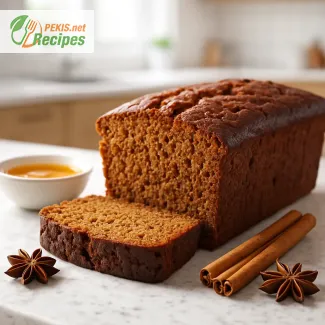
Warm, fragrant and irresistibly soft, pain d’épices blends honey, spices and centuries of French tradition into a festive bread that feels both comforting and historic. Its tender, slightly sticky crumb and aromatic notes of citrus and anise echo old spice routes and medieval bakeries, capturing the cosy sweetness of winter in every bite.
A small tip before diving deeper into the world of spiced honey breads: when tasting pain d’épices, let it rest at room temperature for a few minutes. The warmth releases its aroma, softens the crumb and brings out that mellow honey glow that makes each bite feel richer and more nostalgic. This tiny step often transforms the experience, especially when comparing traditional versions with modern twists. And if you’re curious about the craft and the person behind these explorations, you can learn more about PEKIS and the approach that shapes every detail.
PEKIS – professional chef and recipe developer with more than 25 years of experience in cooking and baking, specialized in European and international cuisine.
The deeper story behind spiced honey breads through time
How aroma, warmth and tradition shaped a beloved festive classic
The first bite of pain d’épices carries that unmistakable softness—moist, fragrant and gently sticky with honey—that instantly evokes winter markets, glowing lanterns and long-lasting holiday traditions. Its chewy crumb, dense with warm spices, feels like stepping into an old French bakery where wooden shelves still smell of anise, orange peel and roasted nuts. The aroma rises slowly, almost theatrically, hinting at centuries of travellers, monks and merchants who contributed to the spice blend that defines this unmistakable bread. Every slice offers a reminder of how simple ingredients like rye flour, honey and hand-ground spices grew into one of the most recognizable festive treats in Europe.
Long before it became an iconic French treat, pain d’épices carried flavours that moved along ancient spice routes. Early versions resembled honey cakes found in Central Asia and aromatic breads in China before evolving into the medieval French “boichin de pain d’épices”, prepared by monks and celebrated for its warmth during cold seasons. Over time, it transformed from a traditional medicinal loaf to a beloved holiday staple served at fairs and family gatherings. Its resonance lies in this combination of heritage and comfort, where the sweetness of honey and the depth of spices create a remarkably inviting and emotional culinary experience.
Key flavour profiles and cultural markers
Pain d’épices is not just a winter treat—it’s an expression of regional identity shaped by centuries of evolving culinary habits. Its core components create a recognizable sensory signature:
- Honey sweetness that defines both flavour and texture.
- Rye-based depth that brings an earthy, nostalgic character.
- Cinnamon, ginger and anise providing warmth and aromatic lift.
- Citrus peel notes adding fresh brightness.
- Traditional French craftsmanship that remains central to its appeal.
As this spiced bread moved across borders, it adapted into countless local variations. Its French heritage still anchors it, yet its profile overlaps with gingerbread traditions in Germany, festive honey breads across Eastern Europe and artisan spice loaves that gained popularity in modern baking culture.
Why you’ll love this article
- Explores rich cultural origins behind a beloved festive flavour.
- Highlights the aromatic depth that makes spiced honey breads comforting.
- Provides insight into heritage, evolution and regional variations.
- Offers a warm, story-driven view of a treat that shaped winter traditions.
- Includes curated links to related festive inspirations without overlapping topics.
Historical context and early evolution of spiced honey breads
The earliest predecessors of pain d’épices appear in descriptions of ancient honey-flour cakes used in ceremonial offerings. These primitive forms evolved as trade routes expanded and spices like cinnamon, ginger and star anise reached Europe. Monastic communities in France refined the recipe, viewing the loaf as both nourishing and symbolic. In cities like Reims and Dijon, guilds crafted spiced breads following strict rules, transforming them into sought-after delicacies during winter festivals.
Over the centuries, the meaning of pain d’épices shifted from ritual bread to festive pleasure. Its texture softened, its spice profile broadened and its connection to holiday markets became stronger. Families embraced it as part of Christmas tables, pairing it with warm drinks or using it as a base for sweet and savoury dishes.
Cultural anchors, spices and the shaping of European festive flavours
The key to understanding pain d’épices lies in its spice composition and cultural symbolism. These two elements have shaped its identity:
- Cultural anchor: a bridge between medieval monastic traditions and today’s festive comfort foods.
- Sensory freshness: citrus peel, anise and honey creating layers of aromatic depth.
- Textural richness: dense yet tender crumb that holds moisture for days.
- Seasonal symbolism: warmth during cold months and unmistakable holiday character.
At this point in the text, it becomes natural to introduce a festive companion article that complements the story without overlapping the topic of spiced breads. Readers seeking broader seasonal inspiration can explore the full guide on holiday baking essentials, presented in the English version as Christmas baking tips for perfect festive treats with classic and modern twists.
This companion article expands the experience, offering ideas and techniques that enrich winter baking traditions.
Spiced traditions across cultures and evolving flavour blends
Pain d’épices stands at a cultural intersection. While France shaped its iconic form, similar spice-driven traditions shaped many global cuisines. This makes the loaf part of a wider story about how humanity adopted spices to create warmth, flavour and preservation in winter.
- Medieval French monasteries popularized honey-based spice breads.
- Central European gingerbread guilds enriched the practice with new techniques.
- Eastern spice routes introduced citrus peel and aromatic seeds.
- Modern baking reinterprets the loaf in lighter, cake-like forms.
As spices travelled across continents, they found new expressions. Some cultures crafted bolder blends, others preferred mild sweetness. A notable example is the celebrated Ethiopian Berbere spice mix—an aromatic, fiery and deeply cultural combination that tells its own historical story. Readers curious about spice heritage can explore its origins through the English recipe guide How to Make Authentic Ethiopian Berbere Spice Mix at Home.
Although very different from pain d’épices, both traditions share the idea of blending spices to express identity and warmth.
Creative variations and modern interpretations of spiced honey breads
Breaking from rigid traditions, contemporary bakers lean into imaginative interpretations that preserve the essence of pain d’épices while introducing new textures and flavour notes. Popular variations include:
- Citrus-forward loaves with enhanced orange and lemon peel.
- Nut-enriched versions featuring almonds, hazelnuts or walnuts.
- Chocolate-infused spiced breads merging bitterness with warm spices.
- Mini loaves and gift-size formats ideal for holiday sharing.
- Savory-leaning adaptations paired with cheeses or pâtés.
In these evolving takes, the comforting balance of honey, spices and soft crumb remains the unmistakable signature that defines pain d’épices—even when the flavours stretch beyond tradition.
Structured entities within the historical landscape of spiced honey breads
This spiced honey bread intersects with several culinary, cultural and historical entities that help define its heritage:
- Reims and Dijon baker guilds as foundational institutions.
- Monastic baking traditions shaping early techniques.
- Ancient spice routes introducing aromatic ingredients.
- Winter market rituals driving its festive popularity.
- Honey-based European cakes contributing to its textural identity.
This layered interplay of history, regional pride and flavour craftsmanship forms the foundation for understanding why pain d’épices remains so emotionally resonant, especially during colder months.
FAQ questionWhat makes pain d’épices different from regular gingerbread?
While both are warmly spiced, pain d’épices is defined by honey and often rye flour, giving it a deeper, more rustic flavour than many gingerbread recipes. Traditional versions lean less on butter and sugar and more on honey, anise and citrus peel, which create a moist, slightly sticky crumb. Gingerbread, especially in Anglo-Saxon traditions, usually features molasses, more fat and stronger ginger notes, resulting in a sweeter, cake-like or cookie-like texture with a different aroma profile.
FAQ questionWhere did pain d’épices originally come from?
The origins of pain d’épices trace back to ancient honey cakes that travelled along early trade routes from Asia to the Middle East and Europe. Over time, French monasteries and later city guilds in Reims and Dijon refined these simple honey breads with imported spices. The loaf gradually evolved into a distinct French speciality, closely tied to winter fairs and festive markets. Its story is therefore a blend of monastic baking, spice trade history and regional pride.
FAQ questionWhy is pain d’épices strongly linked to Christmas and winter holidays?
Pain d’épices became associated with winter because spices and honey were historically expensive, special-occasion ingredients, often reserved for feast days. The warming mix of cinnamon, ginger, anise and cloves pairs naturally with cold weather and festive drinks like mulled wine or hot chocolate. Over generations, families began serving spiced honey bread at Christmas markets, church fairs and holiday dinners, so the loaf turned into a symbol of comfort, celebration and seasonal generosity.
FAQ questionHow has the recipe for pain d’épices changed over the centuries?
Early versions were often denser, less sweet and closer to medicinal breads, valued as much for perceived health benefits as for flavour. As sugar became more accessible and baking techniques improved, bakers introduced lighter textures, more refined flours and customized spice blends. In modern kitchens, you’ll find versions with added nuts, candied fruits, chocolate or orange glaze, yet the core idea remains the same: a moist, aromatic loaf where honey and spices lead the way.
FAQ questionIs pain d’épices always made with rye flour and honey?
Traditionalists insist on honey as the main sweetener and often include rye flour for depth and character, but many contemporary recipes adapt the base to local preferences. Some bakers use all-purpose flour for a lighter crumb, or combine different flours to balance structure and flavour. Others may blend honey with a small amount of brown sugar for stability. Even with these adjustments, a loaf is still recognised as pain d’épices when honey and warm spices remain the defining flavours.
FAQ questionHow is pain d’épices enjoyed today outside of France?
Today, pain d’épices appears in artisan bakeries, Christmas markets and home kitchens far beyond France. It’s often served plain with tea or coffee, sliced and toasted with butter, paired with cheese, pâté or foie gras, or transformed into bases for desserts and trifles. Many food lovers discover it through festive baking features, travel stories and global holiday roundups, and then integrate it into their own traditions as a versatile spiced bread that bridges cultures and seasons.