Silky and deeply aromatic, Homemade Tomato Passata Recipe for Rich Sauces and Pasta Dishes captures the pure essence of ripe summer tomatoes transformed into a smooth, velvety purée. Rooted in Southern European preserving traditions, this passata balances natural sweetness and gentle acidity, creating a refined base that melts seamlessly into sauces and pasta dishes. Each spoonful carries warmth, simplicity, and the comforting depth that turns everyday cooking into something memorable.
Silky Tomato Passata as the Soul of Mediterranean Cooking
Pure tomato essence that builds depth, balance, and timeless flavor
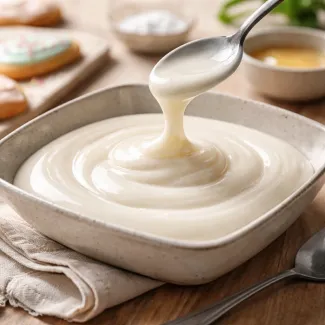
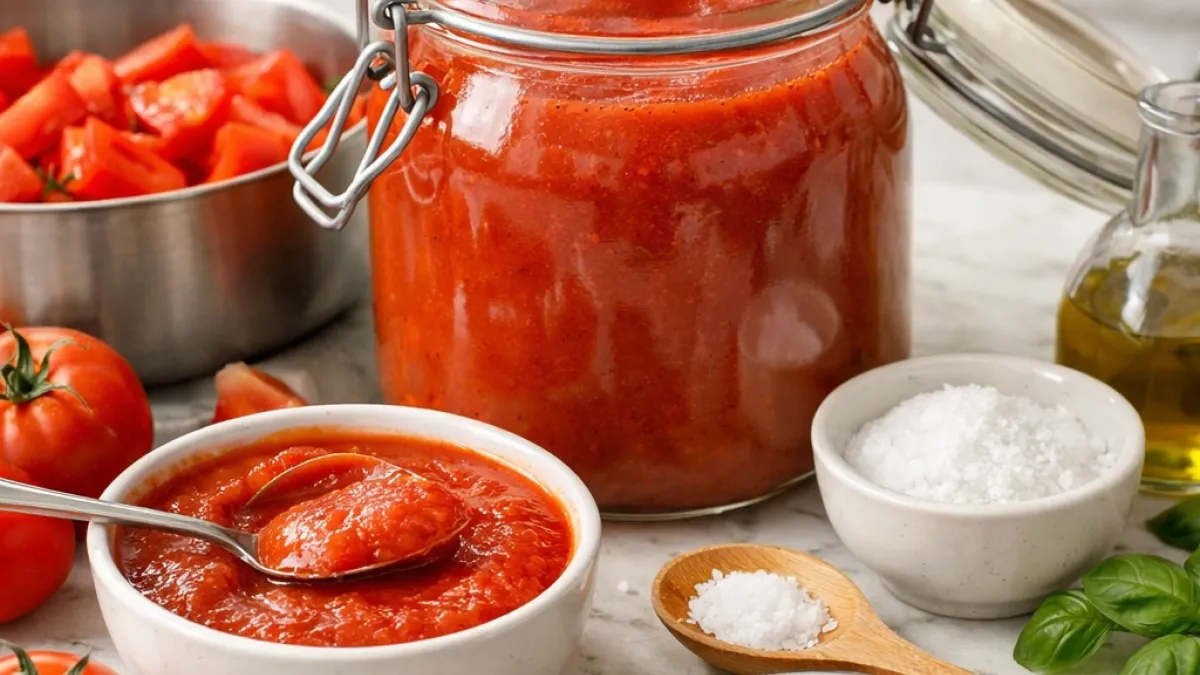
Velvety, dense, and naturally vibrant, tomato passata flows like liquid summer through the kitchen. Its texture is smooth yet structured, carrying the gentle sweetness of ripe tomatoes without distraction. Each spoonful feels concentrated, not heavy—clean, red, and quietly powerful. This is the kind of base that doesn’t shout, but anchors sauces, stews, and slow-cooked dishes with confidence. The aroma alone hints at sun-warmed fields and long afternoons when tomatoes are picked at their peak, processed while still warm, and preserved at their most expressive moment.
Passata sits at the heart of everyday Mediterranean cooking. It isn’t seasoned to dominate; instead, it leaves room for olive oil to round it out, herbs to lift it, and time to deepen it. The consistency matters: thick enough to cling to pasta, fluid enough to melt into soups, and refined enough to disappear seamlessly into layered dishes. Unlike chunky sauces, passata creates uniform richness, making it ideal when texture needs to stay elegant and controlled.
Historically, passata grew out of seasonal necessity. In Southern Europe, tomatoes were transformed into smooth purée at the height of harvest to capture freshness for colder months. This practice turned into tradition, and tradition into craft. Today, passata remains a quiet standard—often unseen, always essential—especially in Italian-inspired kitchens where it forms the backbone of countless preparations, from quick weekday meals to long-simmered classics.
How the core ingredients shape flavor and texture
- Ripe tomatoes provide natural sweetness, acidity, and color without additives
- Gentle heat during processing preserves freshness while stabilizing texture
- Minimal handling keeps bitterness out and clarity in
- Absence of seeds and skins delivers a refined, silk-like mouthfeel
Storage and make-ahead versatility
Passata is naturally suited for advance preparation. Once sealed, it holds flavor exceptionally well, and after opening it integrates easily into multiple meals across several days. Its stability makes it a practical foundation for batch cooking, allowing sauces and stews to develop depth without repeated effort.
Why this preparation earns a permanent place in your kitchen
- Creates consistent results across different dishes
- Adapts to both quick cooking and long simmering
- Supports layered flavors without overpowering them
- Works across cuisines, not limited to one tradition
- Saves time while maintaining a from-scratch character
Natural pairings and culinary extensions
When passata becomes part of a broader cooking rhythm, it connects naturally with related preparations. If you want a ready-made example that builds directly on this base, a full recipe is also available for Homemade Tomato Sauce Recipe for Pasta, Pizza and Stews, where passata transforms into a finished sauce with added depth.
For a faster, brighter direction that highlights simplicity, Marinara Sauce: Classic Italian, 20-Minute Homemade Recipe shows how passata performs when paired with aromatics and short cooking time.
Passata also finds its place beyond sauces. Spread over dough, it becomes the quiet base for Italian pizza dough, where its smoothness ensures even baking and balanced flavor.
In vegetable-forward cooking, passata dissolves into the background while enhancing everything around it, as seen in Ratatouille – A Classic French Vegetable Dish That Captures the Heart of Provence, where it binds seasonal produce into a cohesive whole.
Creative variations worth exploring
- Slow-reduced passata for deeper, almost jammy intensity
- Lightly infused versions that carry herb notes without texture change
- Blended bases for soups where clarity and color matter
- Gentle baked applications where moisture control is essential
Passata isn’t just an ingredient—it’s a structural element in cooking, one that rewards restraint, respects raw materials, and quietly elevates everything built on top of it.
- Wash the tomatoes thoroughly and remove any damaged parts. Cut them into large chunks.
- Place the tomatoes and water in a wide, heavy-bottomed pot. Heat gently over medium heat until the tomatoes release their juices and soften.
- Simmer uncovered for about 25 minutes, stirring occasionally, until the tomatoes completely break down into a soft, pulpy mixture.
- Pass the hot tomato mixture through a food mill or fine sieve to remove skins and seeds, collecting the smooth purée underneath.
- Return the smooth purée to the pot, add salt, and simmer gently for another 10 minutes to slightly thicken and concentrate the flavor.
- Taste and adjust salt if needed. The passata should be smooth, pourable, and naturally balanced in acidity and sweetness.
- Cool slightly before using, or transfer hot into sterilized jars if storing.
One common mistake with tomato passata is rushing the simmering, which traps excess water and dulls the flavor. Letting the tomatoes break down slowly is what gives this method its silky texture and clean, concentrated taste. The approach comes from years of hands-on cooking, where simplicity and timing matter more than shortcuts.
Created by PEKIS – a professional chef and recipe developer with over 25 years of experience in cooking and baking, focused on European and international cuisine.
FAQ questionWhat is tomato passata used for?
Tomato passata is a smooth tomato purée used as a clean, seedless base for cooking. It’s ideal when you want tomato flavor without chunks—think pasta sauces, pizza sauce bases, soups, stews, braises, and casseroles. Because it’s already refined, it blends quickly into other ingredients and gives you consistent texture in the final dish. It’s also a smart starting point when you want to build flavor with onions, garlic, herbs, or olive oil without fighting uneven tomato pieces.
FAQ questionIs passata the same as tomato sauce?
Not exactly. Passata is typically just strained tomatoes (sometimes with a little salt), so it tastes fresh and neutral. Tomato sauce is usually seasoned and cooked longer, sometimes with aromatics, oil, herbs, and spices. If you want maximum control over flavor, passata is better because it lets you decide whether the sauce becomes bright and quick, or deep and slow-simmered. In practice, passata becomes tomato sauce once you cook it down and season it.
FAQ questionCan I replace canned tomatoes with passata?
Yes—often with better texture. Passata is already smooth, so it’s perfect when you don’t want to blend. If a recipe calls for canned whole or chopped tomatoes, passata can replace them, but you may need to adjust cooking time because passata has less chunky structure and can reduce faster. For long-cooked dishes, passata gives a more uniform, velvety finish. For rustic dishes that rely on tomato pieces, add a small amount of chopped tomato alongside passata to keep the bite.
FAQ questionHow do I make passata thicker without losing freshness?
The best way is gentle reduction: simmer passata uncovered so water evaporates slowly and the flavor concentrates. Avoid high heat, which can scorch the bottom and create bitterness. Stir occasionally and stop reducing when it coats the back of a spoon. If you need a fast fix, a small amount of reduction time is better than adding starch, because reduction keeps the taste pure and tomato-forward. For a richer mouthfeel, cook it with a little olive oil in the final dish rather than altering the passata itself.
FAQ questionWhy does homemade passata sometimes taste bitter?
Bitterness usually comes from the skins, seeds, or scorched tomato solids. To prevent it, make sure the tomato mixture is passed properly through a mill or sieve so skins and seeds don’t break down into the purée. Also keep the heat moderate and use a heavy-bottomed pot to avoid hot spots. Another key detail is tomato ripeness: under-ripe tomatoes can taste sharp and slightly bitter, while fully ripe tomatoes give natural sweetness that balances acidity.
FAQ questionHow long does homemade passata keep?
In the fridge, homemade passata keeps well for several days when stored in a clean, airtight container. For longer storage, it needs proper preservation—hot filling into sterilized jars and correct sealing, or freezing in portions. The most reliable everyday approach is freezing: it preserves flavor and lets you thaw exactly what you need. If you plan to store it as pantry jars, the passata must be handled with strict cleanliness and safe processing so it stays stable.
FAQ questionCan I use passata for pizza without making it watery?
Yes—use it as a base, but control moisture. If your passata is thin, reduce it briefly before using, or let it drain slightly in a fine sieve. Spread a thin layer on the dough; too much sauce is the fastest way to end up with a soggy center. For the best result, look for passata that’s naturally dense and use it with a light hand—this keeps the crust crisp while still delivering bright tomato flavor.
Tomato passata stands at the quiet center of countless dishes, shaping flavor without demanding attention. Its smooth structure and pure tomato taste allow other ingredients to shine while still providing depth and balance. In everyday cooking, it acts as a reliable foundation that adapts easily to different techniques and styles.
Used thoughtfully, passata brings consistency to sauces and stews, helping textures stay refined and flavors develop evenly. It responds well to both quick cooking and longer simmering, making it suitable for fast meals as well as slow, layered preparations where timing matters.
Beyond convenience, passata connects modern kitchens with traditional methods of preserving seasonal tomatoes. That link to origin gives it a role that goes beyond function—it carries culinary continuity while fitting naturally into contemporary cooking habits.
When kept simple and handled with care, tomato passata becomes more than an ingredient. It becomes a versatile base that supports creativity, encourages control over seasoning, and quietly elevates everyday dishes through clarity and restraint.
Allergens present in the recipe
- None: naturally free from common allergens.
- Gluten: not present.
Allergen and gluten-free substitutions
- Salt: can be reduced or replaced with a low-sodium alternative for sodium-sensitive diets.
- No substitutions required for gluten-free use, as the recipe is naturally gluten-free.
- Vitamin C (mg): 25 – supports immune function and collagen formation.
- Vitamin A (µg): 150 – contributes to normal vision and skin health.
- Potassium (mg): 450 – helps regulate fluid balance and muscle function.
- Folate (µg): 35 – supports normal cell division and blood formation.
- Lycopene (mg): 9 – powerful antioxidant linked to heart health support.
- Beta-carotene (mg): 1.2 – precursor of vitamin A with protective cellular effects.
- Flavonoids (mg): 20 – help reduce oxidative stress and support overall health.
Calculators
Recipes worth trying