Cookie Glaze Without Egg Whites for Precise Decorating and Smooth Finish delivers a calm, reliable glaze that flows evenly, sets smoothly, and keeps clean lines without cracking. Designed for controlled decorating, it offers a soft bite, subtle sweetness, and a glossy surface that feels balanced and predictable, making it ideal for relaxed, confident cookie work where texture and finish matter more than speed.
A smooth glaze moment that behaves exactly as expected
Where clean lines meet a calm decorating rhythm
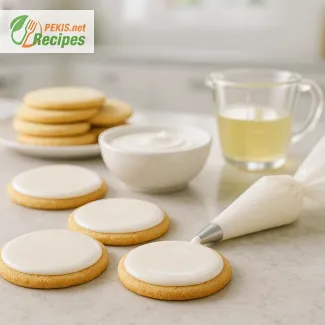
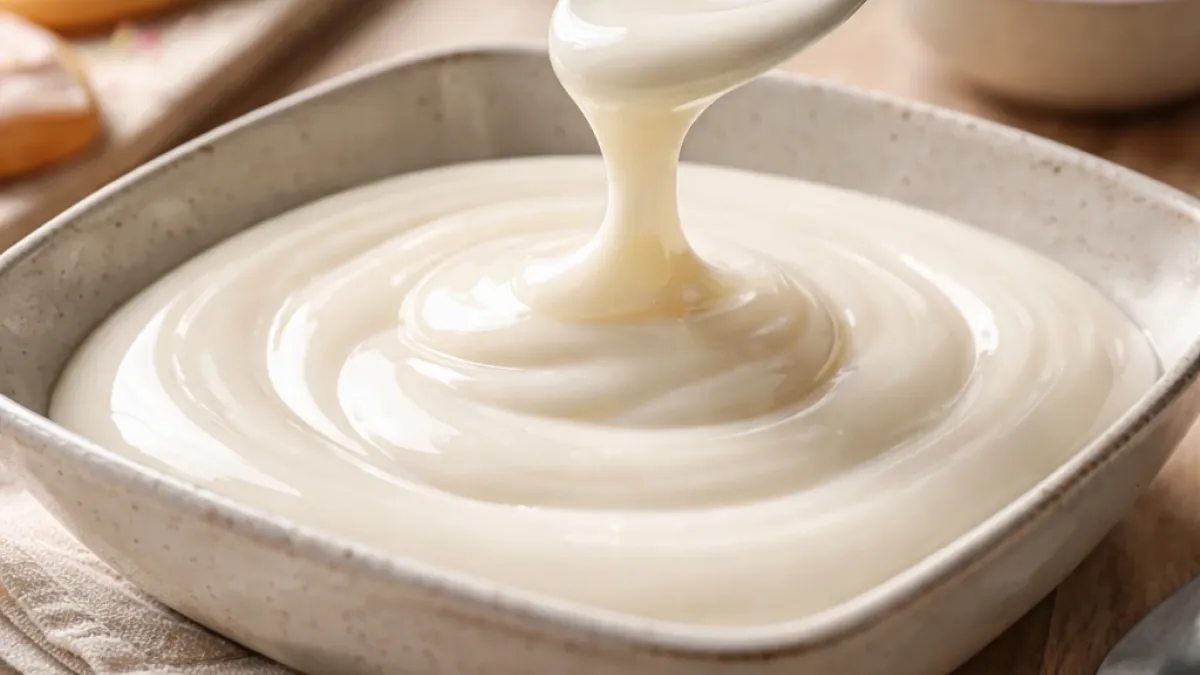
The first surprise is tactile: this cookie glaze without egg whites doesn’t pull, crack, or resist the spoon. It flows slowly, settles evenly, and holds its edge. There’s a quiet confidence in how it behaves—silky, glossy, and controlled, even before it touches a cookie. Anyone who has fought royal icing knows this contrast: here, precision comes without tension.
The aroma is neutral, faintly sweet, never sharp. That restraint matters. It keeps the focus on texture and finish, not on dominating flavor. In practice, this glaze behaves more like a fluid surface than a mixture—predictable, forgiving, and calm.
A practical alternative born from everyday kitchens
Egg-free cookie glazes didn’t come from trends; they came from necessity. Home kitchens needed something stable, clean, and reliable without worrying about raw egg whites, drying issues, or brittle surfaces. Over time, this approach proved itself not just safer, but often better for decorative control.
Much like a well-cooked risotto relies on starch rather than cream—see how texture discipline shapes dishes like Creamy Seafood Risotto with Silky Rice for a Relaxed Dinner—this glaze relies on balance, not force.
How it shows up on the cookie
On the cookie, the glaze sits flat and level. Lines stay where they’re placed. Flooded areas self-smooth without bubbles or tearing. After setting, the surface remains soft to the bite, not glass-hard, which matters when cookies are stacked, boxed, or served casually.
The experience is similar to well-formed rice in Nigiri Sushi with Seasoned Rice – Clean Bites for Elegant Dining: structure without stiffness, clarity without dryness. Precision feels natural, not engineered.
What makes it different
This glaze isn’t trying to imitate royal icing. It solves a different problem.
- Predictable flow that responds well to pressure and pause
- Smooth finish without aggressive drying
- Flexible surface that resists cracking
- Neutral sweetness that supports, not overwhelms
It’s especially suited to calm, methodical decorating, where rhythm matters more than speed.
PEKIS Chef’s insight — control over correction
In practice, the biggest gain is psychological. When a glaze behaves, your hands relax. You stop fixing lines and start placing them. That shift—from correction to intention—is where cleaner cookies come from. Precision isn’t about skill alone; it’s about materials that don’t fight back.
Creative variations that stay within balance
This base adapts quietly. Citrus brightness, subtle vanilla warmth, or a faint almond note can be introduced without changing how the glaze moves. Color disperses evenly, making it suitable for layered work or restrained palettes—never muddy, never patchy.
When this glaze isn’t ideal
It’s not meant for architectural decorations or ultra-hard finishes. If a design needs rigid structure or long-term exposure to heat, a different approach is better. This glaze is for controlled softness, not permanence.
Make-ahead and calm storage
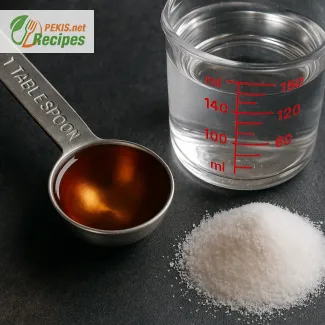
Covered properly, the glaze holds its character well. A brief stir restores flow without thinning. When accuracy matters—especially with small batches—having reliable reference points helps, such as this measurement guide: Ounces to Milliliters Conversion for Accurate Cooking Measurements.
PEKIS Chef’s insight — rhythm over speed
Decorating works best when it slows you down. This glaze supports that pace. It rewards steady hands, short pauses, and intentional movement. In quiet kitchens, on ordinary afternoons, that rhythm is often what turns simple cookies into composed ones.
- Sift the powdered sugar into a clean mixing bowl to remove lumps.
- Add milk and lemon juice; mix slowly with a spatula until smooth.
- Stir in corn syrup until the glaze becomes glossy and elastic.
- Add vanilla extract and mix until fully incorporated.
- Adjust consistency:
– For outlining: add 5–10 g powdered sugar.
– For flooding: add 5 ml (1 tsp) milk. - Use immediately or cover airtight to prevent drying.
Temperature
Use at room temperature (20–22 °C / 68–72 °F).
When clean lines matter, slow down and let the glaze do the work—a steady flow always beats rushing. Over years of testing, I’ve learned that calm textures create calmer hands, especially in detailed cookie work where control matters more than speed. I’m Chef PEKIS, a professional chef and recipe developer with 25+ years of experience. Every recipe is carefully tested to work smoothly in a real home kitchen, not just on paper.
FAQ questionCan I use this glaze if I’ve never decorated cookies before?
Absolutely. This glaze is forgiving by design. It flows evenly, settles on its own, and doesn’t crust too fast, which gives beginners time to adjust pressure and pace. Chef’s tip: start with simple outlines and let the glaze rest for a few seconds before adding details.
FAQ questionHow do I get perfectly clean lines without flooding mistakes?
Control comes from consistency, not speed. Keep the glaze slightly thicker for outlining and pause briefly at corners so the line can settle before moving on. Chef’s tip: lift the piping tip straight up to break the line cleanly.
FAQ questionWhat if my glaze starts to look dull instead of glossy?
That usually means it’s slightly overworked or exposed to air too long. A gentle stir will often restore the shine. Chef’s tip: cover the bowl tightly whenever you’re not actively piping.
FAQ questionIs this glaze suitable for cookies that will be boxed or gifted?
Yes, that’s one of its strengths. Once set, the surface stays smooth and soft rather than brittle, which helps prevent cracks during stacking. Chef’s tip: let decorated cookies rest fully before packaging to protect the finish.
FAQ questionDo home bakers in the UK or Europe really avoid egg whites for cookie glaze?
Very often, yes. Many prefer egg-free glazes for everyday baking because they’re simpler, safer, and more predictable. Chef’s tip: this approach is especially popular for family baking and seasonal cookie batches.
FAQ questionCan I add color without ruining the texture?
You can, as long as you use concentrated gel colors and mix gently. Too much liquid color can thin the glaze too far. Chef’s tip: add color with a toothpick, not straight from the bottle.
FAQ questionWhat’s the most common mistake people make with this glaze?
Trying to fix every tiny line while it’s still moving. Let the glaze settle before correcting anything. Chef’s tip: patience gives cleaner results than constant adjustment.
By the time the kitchen quiets, the glaze has settled into its own calm. The surface holds a soft shine, the lines feel intentional, and nothing asks to be fixed again. It’s the kind of finish that doesn’t call attention to itself, yet quietly rewards a steady hand.
There’s comfort in knowing how something will behave. In a season filled with small gatherings and unhurried afternoons, that predictable flow brings ease to the table. Cookies rest, ready to be shared, without urgency or noise.
What remains is a sense of balance—sweetness held in check, texture doing the talking. The work fades into the background, leaving space for the moment itself, for light through the window, for a pause before the next task.
Sometimes that’s enough: a calm surface, a clean edge, and the quiet satisfaction of something made with care.
Allergens & gluten
- Milk: present
- Gluten: not present
Allergen & gluten substitutions
- Replace milk with water or oat drink for a dairy-free version.
- Recipe is naturally gluten-free when using certified powdered sugar.
- Calcium (mg): 8 – supports bone and dental health
- Potassium (mg): 15 – contributes to normal muscle function
Vitamin C (mg): 0.6 – supports immune function and oxidative balance
Calculators
Recipes worth trying