Warm, silky, and deeply comforting, Quick Creamy Coconut Chicken Stew – Easy One-Pan Dinner Recipe brings together tender chicken simmered in coconut milk with gentle spices that echo tropical home cooking traditions. The sauce turns glossy and spoon-coating as it cooks, wrapping each bite in calm richness with a subtle aromatic lift, perfect for an evening when food should soothe and satisfy without effort.
A quick tip before you start: the most common mistake with coconut-based stews is boiling too hard, which dulls flavor and can split the sauce. This method works because gentle heat lets the coconut milk stay smooth while spices bloom slowly, creating a silky, balanced texture that tastes calm and complete. The recipe was developed by PEKIS – a professional chef and recipe developer with over 25 years of experience in cooking and baking, known for a hands-on, detail-focused approach to European and international cuisine.

Silk-Smooth Coconut Chicken Stew for Busy Nights
A creamy one-pan bowl that tastes like comfort and travels well
The first spoonful hits with that warm, velvety coconut richness that clings to tender chicken and turns an ordinary evening into something you actually look forward to. Steam rises, the sauce looks glossy and pale-gold, and every bite feels like it’s been gently simmered for hours—even when you made it fast. This is the kind of creamy coconut chicken stew you build in one pan: you bloom aromatics until the kitchen smells alive, you let the coconut milk turn silky, and you finish with a bright edge that keeps the bowl from feeling heavy. It’s comforting, but not sleepy; rich, but still clean on the palate.
Coconut-based chicken stews show up across many home kitchens—from Southeast Asian-inspired weeknight curries to Caribbean-leaning bowls with gentle heat—because coconut milk is a natural “shortcut” to creamy texture without complicated technique. Historically, coconut milk has been used for centuries in tropical regions as a cooking liquid that softens meats, carries spice, and creates that signature lush mouthfeel. This version leans into that tradition while staying very practical: a quick, easy one-pan dinner that delivers a restaurant-style finish with pantry-friendly ingredients.
What makes the stew taste “creamy” without feeling heavy
Coconut milk brings a naturally emulsified richness, but the real magic is balance. Aromatics create depth, a salty element sharpens flavors, and a touch of acidity at the end makes the sauce taste bright instead of flat. Chicken stays succulent when it’s cooked gently and finished in the sauce, so the meat absorbs flavor while the stew remains smooth and cohesive.
- Coconut milk builds the signature silky body and rounds spicy notes
- Onion and garlic give sweetness and savory backbone as they soften
- Ginger or warm spices add lift and keep the flavor layered
- A gentle thickener (like reduced sauce or a small starch) creates a spoon-coating finish
- A finishing acid (citrus or vinegar) makes the stew taste clean and moreish
Why you’ll love this recipe
- One-pan cooking keeps cleanup minimal
- Creamy coconut chicken flavor feels comforting without being dull
- Weeknight-friendly timing with a slow-simmer taste
- Flexible ingredients—easy to adapt to what’s in your fridge
- Meal-prep ready and reheats into an even silkier texture
Flavor profile and texture cues to aim for
You’re looking for chicken that’s tender, not stringy; a sauce that coats the spoon in a thin, glossy layer; and aromatics that taste mellow rather than sharp. If the stew tastes too rich, brighten it. If it tastes thin, simmer it a little longer. If it tastes muted, a pinch of salt and a small acidic finish usually wakes everything up.
Origin notes you can taste in the bowl
While “coconut chicken stew” isn’t one single traditional dish, the idea is rooted in everyday cooking where coconut milk is used to gently braise proteins and carry spices. You’ll recognize echoes of Thai-style coconut curries, Indian-influenced coconut gravies, and island stews that use coconut as both richness and aroma. This version is intentionally streamlined, designed to feel familiar to European weeknights while still delivering that globally inspired coconut milk chicken comfort.
Storage and make-ahead
This stew is ideal for preparing in advance because the flavors deepen as it rests. Coconut-based sauces often taste even more integrated the next day.
- Cool completely, then store airtight in the fridge for up to 3 days
- Reheat gently over low heat; avoid aggressive boiling to keep the sauce smooth
- Freeze in portions if needed; thaw overnight in the fridge and reheat slowly
- If the sauce thickens too much after chilling, loosen with a splash of water or stock
Creative variations that still keep the “coconut chicken stew” identity
You can shift the personality without changing the core idea of a quick creamy coconut chicken base.
- Thai-inspired: add lime, basil notes, and a touch of chili for a brighter finish
- Tomato-coconut: a spoon of tomato concentrate for deeper color and sweeter acidity
- Green & fresh: fold in spinach or peas near the end for color and contrast
- Smoky: add smoked paprika for a subtle roasted edge
- Extra cozy: include soft vegetables (carrots, sweet potato) to make it more stew-like
Pairing ideas for serving
This stew loves something that catches the sauce and adds texture contrast.
- Fluffy rice, mashed potatoes, or crusty bread for scooping
- Quick-cooked grains for a lighter bowl
- A crisp salad with acidity to cut the richness
- For another easy one-pan dinner, try the One-pan chicken and carrots dinner for busy evenings – easy recipe
More comforting dinner options (different styles, same weeknight ease)
If you want variety without repeating the same flavor profile, these are great “next clicks” that feel distinct:
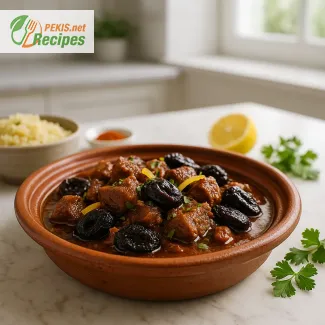
- Slow-cooked warmth with fruit and spice: North African tagine with prunes for tender slow-cooked family meals
- Creamy pasta comfort in a different direction: Creamy 15-minute chicken orzo that’s becoming a weeknight favorite
- Coconut as a fluffy side instead of the main stew: Creamy Coconut Rice Recipe – Perfect Fluffy Side Dish for Every Meal
Key entities and kitchen context
This Quick Creamy Coconut Chicken Stew fits beautifully into modern home cooking: one pan on an induction hob or gas burner, a wooden spoon, a medium saucepan or sauté pan with a lid, and pantry staples like coconut milk, aromatics, and a clean finishing acid. It’s the kind of dish that works for family dinners, meal prep lunches, and cozy evenings when you want comfort food that still tastes fresh and intentional.
- Heat the vegetable oil in a large deep pan over medium heat. Add the chopped onion and cook until soft and translucent, about 5 minutes.
- Stir in the garlic and grated ginger. Cook gently for 30 seconds until aromatic, without browning.
- Add turmeric, cumin, coriander, chili flakes, salt, and black pepper. Stir continuously for 20 seconds to release aromas.
- Add the chicken thighs whole or cut into large pieces. Sear briefly on all sides until lightly colored.
- Mix in the tomato paste, then pour in the coconut milk and chicken stock. Stir until smooth and evenly combined.
- Bring to a gentle simmer, reduce heat to low, cover, and cook for 20 minutes until the chicken is tender.
- Stir in brown sugar and lime juice. Taste and adjust seasoning if needed.
- Remove from heat and let rest uncovered for 5 minutes to allow the sauce to thicken slightly.
- Sprinkle with fresh coriander leaves before serving.
FAQ questionCan I use chicken breast instead of thighs in coconut chicken stew?
Yes, but treat it differently. Chicken breast is lean, so it turns dry if it simmers too long. For the best result, cut it into larger chunks and add it later in the cooking so it finishes gently in the hot coconut sauce. The goal is juicy chicken with a silky coconut gravy, not stringy meat. If you want the easiest, most forgiving texture, thighs stay tender longer and absorb spices more evenly.
FAQ questionWhy did my coconut milk sauce split or look oily?
This usually happens when the stew is boiled hard or reheated aggressively. Coconut milk is an emulsion; high heat can break it so fat separates and the sauce loses its smooth, glossy finish. Keep the stew at a gentle simmer, stir occasionally, and reheat on low heat. If it starts to separate, whisk in a small splash of stock or water and warm slowly to bring it back together.
FAQ questionHow do I thicken coconut chicken stew without flour?
You have a few clean options. The simplest is reduction: simmer uncovered for a few minutes so water evaporates and the sauce becomes spoon-coating. You can also use a small amount of cornstarch slurry (mixed with cold water) for quick thickening without changing flavor. Another method is blending a small portion of the cooked onion and sauce, then stirring it back in for a naturally thicker, velvety texture.
FAQ questionWhat can I add to boost flavor without making it spicy?
Layering matters more than heat. Build a strong base with sautéed onion, garlic, and ginger so the stew tastes deep and rounded. A touch of tomato paste adds savory richness, while a finishing splash of lime juice lifts the whole bowl with bright balance. If you want even more aroma, add a small pinch of warm spices (like cumin or coriander) and let them bloom briefly in oil before the liquids go in.
FAQ questionIs coconut chicken stew good for meal prep and freezing?
It’s excellent for meal prep because flavors meld and taste even better the next day. Store it airtight in the fridge and reheat gently to protect the creamy coconut texture. Freezing works well in portions, but thaw slowly (preferably overnight in the fridge). When reheating, use low heat and stir often; add a splash of stock or water if the sauce thickens too much.
FAQ questionWhat should I serve with creamy coconut chicken stew?
Choose sides that catch the sauce and add contrast. Rice is classic because it soaks up the silky coconut sauce and keeps the meal comforting. Crusty bread is great for scooping if you want a more rustic feel. For a lighter plate, try quick grains or a crisp salad with acidity—something fresh helps cut the richness so each bite stays clean and satisfying.
Built around coconut milk, tender chicken, and gentle aromatics, this dish fits naturally into modern home cooking where comfort and clarity matter. The balance between slow-simmered depth and practical timing makes it suitable for weeknights, family meals, and make-ahead planning without sacrificing texture or flavor.
Technique plays a central role: controlled heat preserves a smooth, cohesive sauce, while layered seasoning creates depth without heaviness. Each component has a purpose, from the base aromatics to the final acidic lift that keeps the stew tasting fresh rather than flat.
The structure of the dish allows for adaptability. Ingredients can be adjusted based on preference or season, yet the core identity remains stable and recognizable. This flexibility supports consistent results across different kitchens and skill levels.
Served with simple sides that absorb sauce or contrast its richness, the stew becomes a complete, well-rounded meal. Its ability to reheat well and improve with rest makes it practical beyond the first serving, aligning flavor, efficiency, and satisfaction in one cohesive preparation.
Allergens present in the recipe
- Coconut: 400 ml – may affect individuals with coconut sensitivity
- Gluten: none naturally present
Allergen and gluten substitution tips
- Coconut milk: replace with lactose-free cream or oat cream for coconut intolerance
- Chicken stock: use certified gluten-free stock if sensitive
- Vitamin B6 (mg): 0.6 – supports protein metabolism and nervous system function
- Vitamin C (mg): 8 – contributes to immune defense and antioxidant protection
- Iron (mg): 3.1 – essential for oxygen transport in the blood
- Potassium (mg): 620 – helps regulate fluid balance and muscle function
- Magnesium (mg): 58 – supports energy production and muscle relaxation
- Curcumin (mg): 35 – helps reduce oxidative stress and inflammation
- Polyphenols (mg): 95 – support cellular protection and cardiovascular health
- Flavonoids (mg): 42 – contribute to immune resilience and metabolic balance
Recipes worth trying