A soft bakery-style crumb and a smooth, stable swirl frosting come together in these professional vanilla cupcakes, blending nostalgic sweetness with a refined finish. The warm aroma of real vanilla and the tender bite recall classic home baking, while the creamy swirl adds a polished touch inspired by traditional butter-based frostings.
A small trick that helps with stable frosting is chilling the piping bag for a few minutes before swirling; it keeps the texture firm and the shape defined. When working with delicate vanilla batter, gentle mixing preserves that soft crumb these cupcakes are known for.
PEKIS – professional chef and recipe developer with over 25 years of experience in cooking and baking, specialized in European and international cuisine.
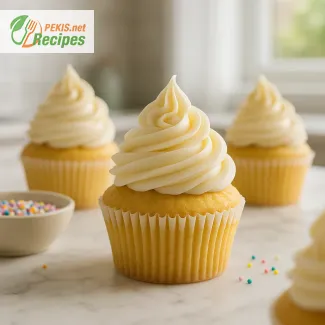
Vanilla cupcakes with a delicate swirl and bakery-style finish
Light, fluffy texture with a smooth swirl frosting that holds beautifully
The warmth rising from freshly baked vanilla cupcakes carries a kind of quiet joy—the kind that comes from soft crumb lifting under your fingers and a stable swirl frosting that settles into perfect ribbons. There is a subtle moment when the aroma of real vanilla mingles with the gentle sweetness of the batter, creating a fragrance that feels both nostalgic and refined. Each bite reveals a tender crumb, moist but never heavy, and the frosting stays elegantly shaped, its silky texture balancing sweetness with a slight creamy depth. These cupcakes evoke the comfort of classic home baking while offering the polished look of a professional bakery swirl.
Cupcakes have traveled a long path from early single-serve cakes baked in pottery cups to the modern, meticulously decorated versions adored at celebrations. Vanilla, among the oldest and most cherished flavorings in pastry history, gives these cupcakes a timeless appeal. The combination of a soft base and a stable swirl reflects techniques that developed alongside butter-based frostings, allowing bakers to shape desserts more artistically while keeping the structure firm.
The ingredients each play a purposeful role: fat ensures moisture and a light crumb, sugar contributes tenderness and subtle caramel notes, eggs add volume and stability, and vanilla delivers a fragrant profile. The texture of the frosting depends on balancing fats and sugars so it holds peaks without losing its creamy smoothness. For those who enjoy experimenting with frostings, a related recipe—Magic Cream – Homemade Frosting for Cakes and Cupcakes—is also available in English: Magic Cream – Homemade Frosting for Cakes and Cupcakes.
Storage and make-ahead
Cupcakes keep well when stored in an airtight container at room temperature, and the swirl frosting maintains its shape when prepared with stable fats. The unfrosted base can be baked a day ahead, while frosting can be prepared earlier and refrigerated until whipped back to a smooth, workable consistency.
Flavor and texture profile
Soft vanilla cupcakes offer:
- Moist, fine crumb created by balanced hydration
- Delicate sweetness lifted by aromatic vanilla
- Stable, creamy swirl, firm enough to pipe but still velvety
- Even rise, giving the cupcakes a rounded, elegant top
When exploring more vanilla-based desserts, you may also enjoy the English recipe for Vanilla Crescent Cookies, a simple but fragrant treat: Vanilla Crescent Cookies.
Ingredient influence
- Flour contributes structure and supports the airy crumb.
- Sugar tenderizes and helps the surface achieve a gentle golden tone.
- Butter or oil affects softness and richness.
- Eggs provide lift and bind the mixture to prevent crumbling.
- Vanilla creates the characteristic aromatic profile.
- A stable frosting depends on balanced fat content for shape retention.
Why you’ll love this recipe
- Perfectly stable swirl that pipes cleanly
- Consistently fluffy crumb
- Works for celebrations or simple everyday baking
- Takes well to color and flavor variations
- Reliable structure from base to frosting
Creative variations
- Add citrus zest to brighten the vanilla base.
- Stir in finely chopped chocolate for a bakery-style twist.
- Infuse the frosting with espresso or caramel for deeper notes.
- Create dual-color swirls by lining the piping bag with two shades.
Ingredient relationships and baking techniques
Vanilla cupcakes benefit from controlled mixing to avoid tough texture. Creaming fat and sugar incorporates air, creating the foundation for a light, airy interior. Proper emulsification ensures the batter remains smooth, while correct oven temperature maintains even rise. The swirl frosting relies on the interaction of fats, sugar, and aeration, forming a stable yet luscious finish that withstands piping and transport.
- Preheat the oven to 175°C (Fahrenheit 347°F) and line a muffin tin with 12 paper liners.
- In a bowl, cream softened butter and sugar until pale and airy; the mixture should look light and slightly fluffy.
- Add eggs one at a time, mixing until fully incorporated. Stir in vanilla extract.
- In a separate bowl, combine flour, baking powder, and salt.
- Add the dry mixture to the batter in two additions, alternating with milk. Mix gently until smooth and lump-free.
- Divide the batter evenly among the liners, filling each about two-thirds full.
- Bake for 18 minutes or until a toothpick inserted into the center comes out clean.
- Transfer cupcakes to a rack and allow them to cool completely before frosting.
- Prepare the frosting by beating butter until smooth, then gradually adding powdered sugar.
- Add heavy cream, vanilla, and salt; whip until the frosting becomes creamy and stable.
- Fit a piping bag with a star tip and pipe a tall, even swirl onto each cupcake.
- Add sprinkles on top (decoration).
FAQ questionHow do I get a stable frosting swirl that doesn’t collapse?
A stable swirl starts with the right fat-to-sugar ratio and correct temperature. The butter should be soft but not greasy, usually slightly cooler than room temperature. Beat it until smooth, then add powdered sugar gradually so it fully dissolves and traps air. A small amount of heavy cream makes the frosting silky, while a pinch of salt balances sweetness. If the swirl looks too soft, chill the bowl for a few minutes, then re-whip until the frosting holds stiff, smooth peaks that keep their shape when piped.
FAQ questionWhy do my vanilla cupcakes turn out dense instead of fluffy?
Cupcakes become dense when the batter is overmixed or when ingredients are not at the right temperature. Creaming butter and sugar properly is essential to create tiny air bubbles that expand in the oven. Add the eggs one at a time, mixing just until incorporated, then fold in the dry ingredients gently. If flour is packed tightly into the cup instead of being weighed, you may be adding too much, which tightens the crumb. For a light, bakery-style texture, use accurate measurements and handle the batter with a gentle hand.
FAQ questionWhat kind of vanilla gives the best flavor in these cupcakes?
For a pronounced yet elegant vanilla profile, use pure vanilla extract or vanilla paste, not artificial flavor. Extract brings a classic, rounded aroma, while paste adds visible vanilla bean specks and a slightly deeper flavor. If you want a subtle, creamy note, pair vanilla extract in the batter with a touch of vanilla paste in the frosting. This combination creates a layered vanilla experience that feels both nostalgic and refined without overpowering the sweetness of the cupcake.
FAQ questionHow can I keep my cupcakes moist when baking ahead for an event?
To keep cupcakes soft and moist, avoid overbaking—they should come out as soon as a toothpick has just a few moist crumbs. Once cooled, store them in an airtight container at room temperature. If you need to bake a day in advance, you can brush the tops lightly with a simple syrup to lock in moisture before frosting. The swirl frosting should be added after the cupcakes are fully cool; this creates a soft, protective layer that helps prevent the crumb from drying out.
FAQ questionCan I color the swirl frosting without ruining its stability?
Yes, as long as you use gel or paste food coloring, which adds intense color with very little extra liquid. Liquid colors can thin the frosting and make the swirl less stable. Add the gel color gradually at the end of mixing, beating just until fully blended to keep the frosting smooth and pipeable. If the frosting softens, a brief chill followed by a quick re-whip helps restore a firm, glossy texture ready for clean swirls.
FAQ questionWhat’s the best way to pipe a professional-looking swirl on top of cupcakes?
For a bakery-style swirl, use a large open star or closed star tip and fill the piping bag only halfway, so it’s easier to control. Hold the bag vertically over the center of the cupcake and apply steady, even pressure, piping from the outside edge inward in a smooth spiral. Finish with a slight twist and quick pull up to create a defined peak. Working with a stable frosting at the right temperature—neither too firm nor too soft—means the ridges of the swirl will stay crisp and visually clean.
FAQ questionHow can I adapt these vanilla cupcakes for different occasions without changing the base recipe?
The beauty of a well-balanced vanilla base is how easily it adapts. For birthdays, you can fold sprinkles into the batter for a funfetti effect and top with colorful decorations. For more elegant events, keep the swirl white or tinted in soft tones and garnish with chocolate shavings, fruit, or edible flowers. Changing only the flavor of the frosting—such as adding caramel, espresso, or citrus zest—creates new variations while keeping the same reliable, professional vanilla cupcake structure.
The combination of a soft vanilla crumb and a stable swirl frosting creates a dessert that works beautifully for both simple gatherings and polished celebrations. Each element supports the other: the gentle sweetness of the base enhances the creaminess of the swirl, and the texture stays consistent from the first bite to the last.
Working with familiar ingredients makes the process approachable, yet the final result feels elevated. With careful mixing and attention to temperature, the cupcakes hold their shape, their structure staying light while the frosting remains smooth and defined. The balance of technique and simplicity ensures reliable results every time.
Small adjustments—like choosing high-quality vanilla or chilling the piping bag—can make the swirl more pronounced and the flavor more aromatic. These touches build confidence and open the door to new variations, from subtle color changes to richer flavor infusions.
The recipe’s versatility allows it to adapt to different occasions without losing its core character. Whether topped with sprinkles or left with a clean, elegant finish, the cupcakes capture the essence of classic baking while remaining flexible for personal creativity.
Allergens present in the recipe:
- Gluten – from wheat flour
- Eggs – in batter
- Milk – butter, cream, milk
- Possible additives – sprinkles may contain traces of nuts or soy depending on brand
How to remove allergens and gluten:
- Replace wheat flour with certified gluten-free all-purpose flour.
- Use plant-based milk and vegan butter for a dairy-free version.
- Swap eggs with unsweetened applesauce or commercial egg replacer.
- Choose allergen-safe sprinkles if decorating.
- Vitamin A (µg): 92 – supports vision and immune function
- Calcium (mg): 38 – contributes to bone maintenance
- Iron (mg): 0.8 – assists in normal oxygen transport
- Potassium (mg): 62 – supports fluid balance and muscle activity
- Magnesium (mg): 6 – contributes to enzyme function
- Phosphorus (mg): 54 – supports bone and tooth structure
- Vanillin (mg): 1.2 – naturally occurring aromatic antioxidant
- Beta-carotene (mg): 0.02 – trace amounts from butter, supports cell protection
- Polyphenols (mg): 0.6 – minimal but present from vanilla extract
Recipes worth trying